

The Parentified Child
When children learn to take care of everyone except themselves
\
Some children grow up learning that their role is not simply to be a child.
Instead, they become:
the caretaker
the peacemaker
the responsible one
the emotional support system
or the child who learns not to need too much.
This is often referred to as: parentification.
Parentification happens when a child takes on emotional or practical responsibilities beyond what would normally be expected developmentally.
Many parentified children appear:
mature
independent
helpful
emotionally strong
or “easy”
from the outside.
But underneath, many carry:
chronic stress
emotional exhaustion
loneliness
and difficulty recognizing their own emotional needs.
What is parentification?
Does this feel familiar? Watch this.
Parentification occurs when a child becomes responsible for emotional or practical caregiving roles within the family system.
This can happen in families affected by:
emotional immaturity
addiction
mental health struggles
conflict
emotional unpredictability
illness
or emotionally unsafe environments.
Children often adapt by becoming:
emotionally hyperaware
overly responsible
self-sacrificing
or emotionally adult long before they are ready.
Emotional Parentification
When a child becomes responsible for:
a parent’s emotions
emotional regulation
comforting caregivers
mediating conflict
being the “therapist” or emotional support system
This often creates:
emotional exhaustion
guilt around having needs


Spousification
This does not necessarily involve inappropriate physical boundaries.
Instead, it often involves emotional role reversal where a child becomes responsible for meeting adult emotional needs that should never have belonged to them.
The child may become:
the parent’s emotional support system
the “favorite” child emotionally
the one the parent vents to
the child who is treated “more like a friend than a child”
or the person expected to emotionally stabilize the caregiver.
Many children in this role feel:
special
emotionally needed
overly responsible
emotionally trapped
guilty
or deeply fused with the parent emotionally.
Instrumental parentification
When a child takes on excessive practical or caregiving responsibilities.
Examples:
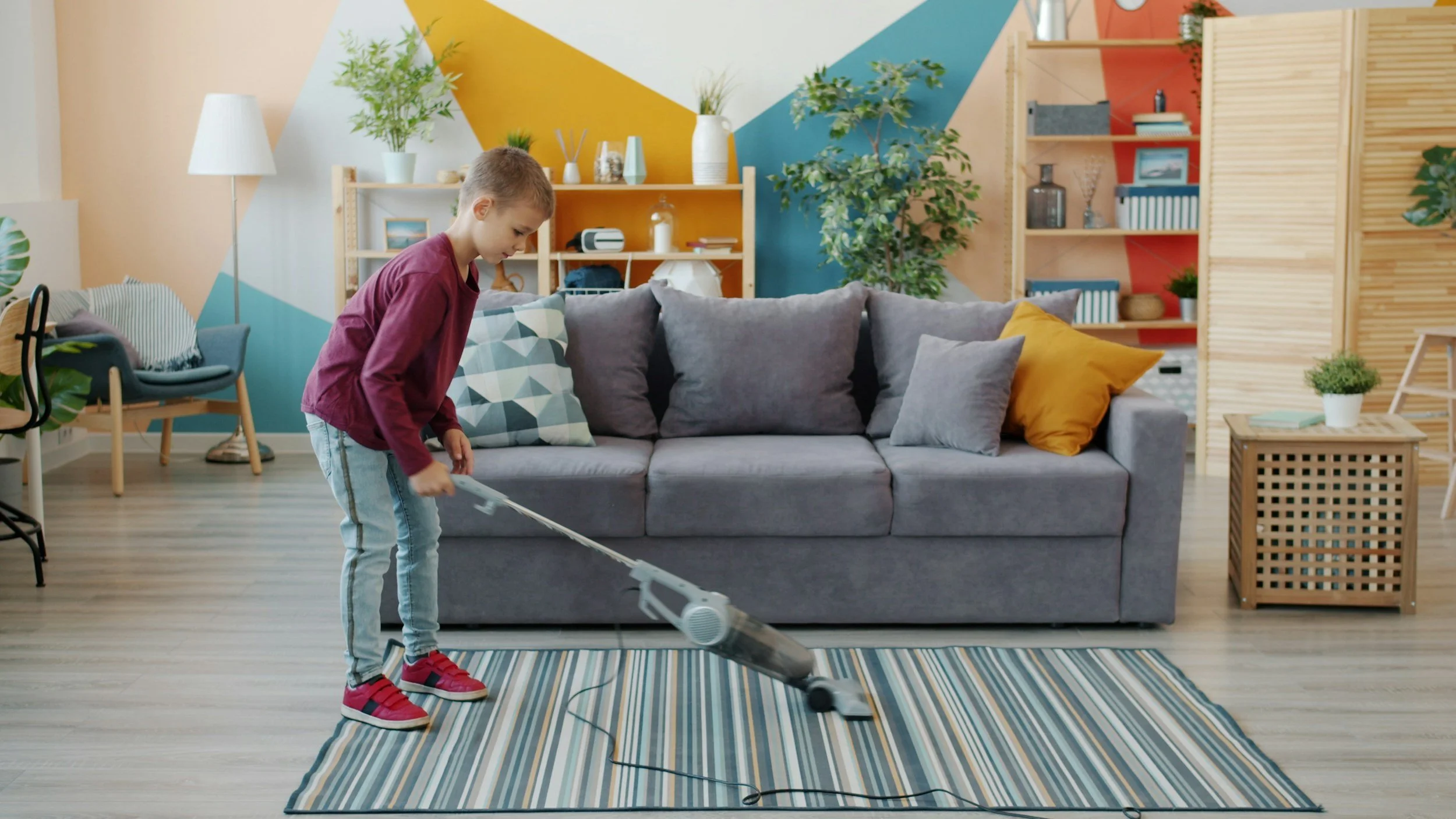
raising siblings
cooking/cleaning excessively
managing adult responsibilities
handling household stability
caregiving beyond developmental expectations
This often creates:
hyper-independence
overfunctioning
burnout
difficulty resting


Invisible Parentification
When children learn to disappear emotionally to survive
Not all parentified children become highly visible caretakers.
Some survive by becoming:
emotionally invisible
quiet
self-sufficient
low-needs
emotionally disconnected
or the child who “never caused problems.”
This is sometimes referred to as:
These children often recognize early that:
there is no emotional room for their needs
other people’s problems take priority
emotional expression feels unsafe
or needing support creates stress or conflict.
So instead, they learn to disappear emotionally.
Golden Child Parentification
When a child becomes emotionally responsible for:
maintaining the family image
fulfilling a parent’s unmet needs
achievement/performance
emotional validation for caregivers
The child may feel loved primarily through:
success
perfection
pleasing
emotional compliance
This often creates:
perfectionism
identity confusion
pressure
fear of failure
Signs you may have been parentified
You may notice:
feeling responsible for everyone else’s emotions
difficulty relaxing
guilt when prioritizing yourself
hyper-independence
emotional exhaustion
discomfort receiving help
overfunctioning in relationships
feeling emotionally responsible for keeping the peace
difficulty identifying your own needs
fear of disappointing others
or feeling valuable primarily when helping others.
Many parentified children also struggle with:
self-worth
perfectionism
emotional suppression
and nervous system hypervigilance.
Why parentified children often become hyper-independent
Many parentified children learn very early:
not to rely on others emotionally
that their needs create stress
or that emotional safety depends on self-sufficiency.
Over time, this can create:
hyper-independence
difficulty trusting others
discomfort receiving care
emotional isolation
and feeling unsafe being emotionally vulnerable.
Some adults continue carrying the belief:
“If I don’t hold everything together, everything will fall apart.”
The connection between parentification and people-pleasing
Parentified children often become highly attuned to:
moods
tension
emotional shifts
conflict
and the emotional needs of others.
This can create strong people-pleasing patterns later in life.
Many adults continue:
avoiding conflict
prioritizing other people’s comfort
suppressing needs
or feeling responsible for keeping relationships emotionally stable.
Parentification and attachment wounds
Children naturally need:
protection
emotional attunement
guidance
safety
and care.
When children instead become the caregivers emotionally, important attachment needs may go unmet.
This can contribute to:
self-doubt
emotional loneliness
and difficulty recognizing emotionally safe relationships later in life.
Healing from parentification
Healing often involves:
recognizing survival patterns
rebuilding self-trust
reconnecting with your own emotional needs
learning healthier boundaries
increasing nervous system safety
grieving unmet childhood experiences
and learning that your worth is not dependent on caretaking or overfunctioning.
Therapy can help people better understand:
attachment wounds
emotional hypervigilance
people-pleasing
hyper-independence
and the long-term impact of emotionally unsafe family dynamics.
You were never supposed to carry all of that alone
Many parentified children became extraordinarily capable because they had to.
But needing support, rest, care, emotional safety, and boundaries does not make you selfish or weak.
You are allowed to exist outside of survival roles.