

Narcissistic Abuse & Toxic Relationships
If you've found yourself constantly questioning your reality, walking on eggshells, blaming yourself for relationship problems, or struggling to let go of someone who repeatedly hurt you, you may be dealing with the effects of narcissistic abuse or a toxic relationship.
These experiences can leave lasting impacts on your self-esteem, nervous system, boundaries, and ability to trust yourself.
Many survivors describe feeling confused, emotionally exhausted, hypervigilant, and unsure what was real.
The resources below explore common patterns seen in emotionally unhealthy and narcissistic relationships and can help you better understand what you've experienced.
What you might be experiencing

When repeated manipulation causes you to doubt your reality.

Understanding the pattern of Deny, Attack, Reverse Victim and Offender.

Why leaving emotionally harmful relationships can feel so difficult

Understand narcissistic qualities and what it can mean for a relationship

Why survivors often question themselves after gaslighting and emotional abuse.

Feeling Crazy After an Interaction
Survivors often question their reality after dealing with a narcissistic or toxic person.

How Growing Up in A Narcissistic Family Affects You As An Adult
Survivors will have these issues as they grow up.

If you have suffered emotional abuse, you probably can’t even imagine what emotional safety feels like. Click to read more.

Why You Miss Someone Who Hurt You
Understanding grief, attachment, and trauma bonds.

What Gaslighting Does to Your Brain
How emotional manipulation can affect self-trust and confidence.
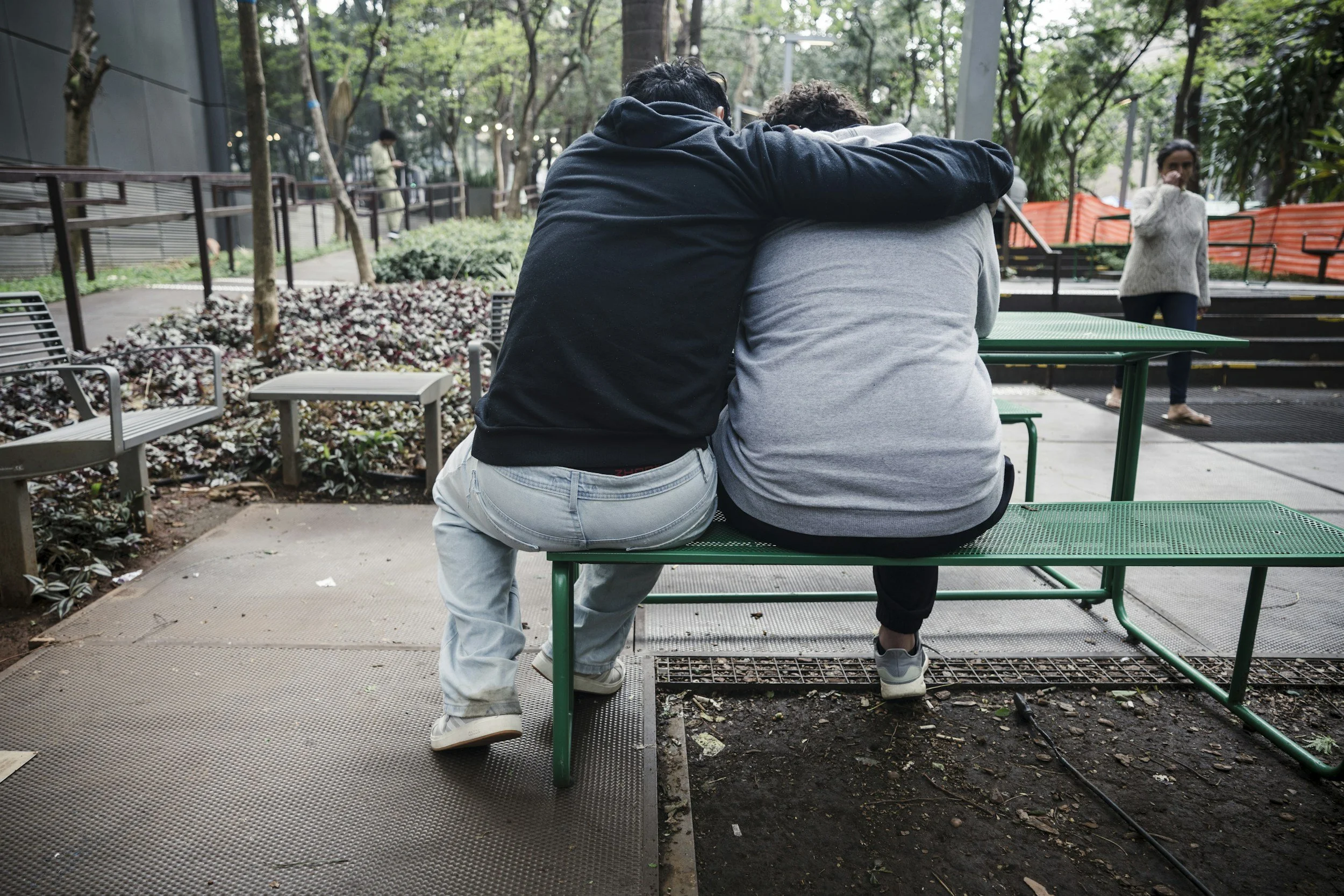
Why Do I Need So Much Reassurance?
Learn why emotional abuse creates a need for constant reassurance in relationships.

Why Do I Feel Guilty After Setting Boundaries?
Discover why it feels so hard to set boundaries after emotional abuse.

Resources for understanding boundaries, distance, and healing.

Discover why you struggle with the fear people will leave you, and how to handle it.

When you try to call out toxic behaviour, you have probably been told you are “too sensitive” or need to get over it, making you feel crazy. Click here to see how this narrative keeps you trapped in abuse.
What Is Narcissistic Abuse?
Narcissistic abuse is a pattern of emotional manipulation, control, invalidation, and psychological harm that can occur in romantic relationships, families, friendships, and workplaces.
Common experiences include:
Chronic criticism
Emotional invalidation
Blame-shifting
Boundary violations
Intermittent reinforcement
Walking on eggshells
Not every difficult relationship is narcissistic, but understanding these patterns can help you make sense of experiences that may have left you feeling confused or emotionally unsafe.
Common Experiences After Narcissistic Abuse
Many survivors struggle with:
Self-Doubt
Questioning your memory, feelings, and perception.
Hypervigilance
Constantly scanning for danger, conflict, or rejection.
Trauma Bonds
Feeling deeply attached to someone who repeatedly hurt you.
Boundary Guilt
Feeling guilty for protecting yourself.
Emotional Flashbacks
Experiencing overwhelming emotions that feel bigger than the present situation.
Loss of Self-Trust
Feeling unsure whether your instincts can be trusted.
Not Sure Where to Start?
If you're not sure which experience best describes what you're going through, therapy can help you make sense of the patterns, emotions, and relationship struggles that may be affecting your life today.
Book a free consultation to learn more about how trauma-informed therapy and EMDR can help.