
Family Roles in Narcissistic Families
Understanding the roles children often develop in emotionally unsafe family systems
\
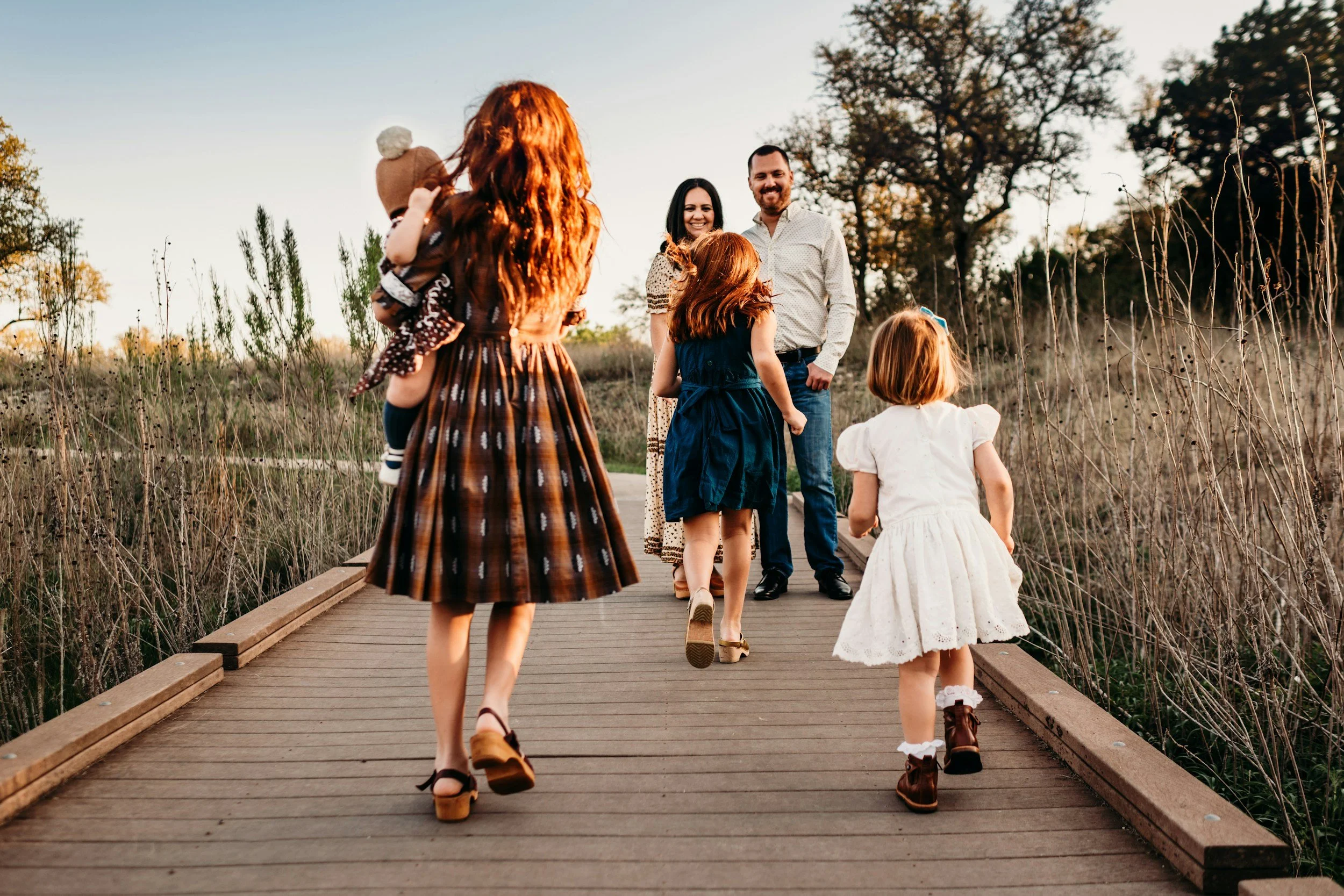
Children growing up in narcissistic or emotionally unsafe family systems often adapt in ways that help them survive emotionally within the family dynamic.
These adaptations are not personality flaws.
They are often survival responses to environments that may have felt:
emotionally inconsistent
invalidating
unpredictable
critical
emotionally immature
emotionally unsafe
or centered around the needs of caregivers rather than the emotional needs of the child
Over time, many children unconsciously develop specific family roles in order to:
reduce conflict
gain approval
maintain connection
avoid criticism
protect themselves emotionally
or stabilize the family system
These roles can continue impacting:
self-worth
boundaries
relationships
nervous system regulation
emotional safety
and identity well into adulthood.
What are family roles in narcissistic families?
Family roles are relational patterns that often develop within dysfunctional or emotionally unsafe family systems.
In narcissistic family dynamics, these roles may become rigid and emotionally reinforced over time.
Children may learn:
who is praised
who is blamed
who is expected to perform
who is ignored
who keeps the peace
or who carries emotional responsibility within the family
These patterns can strongly shape how people relate to themselves and others later in life.

The Golden Child
The golden child is often idealized within the family system.
They may be:
praised
overly identified with achievement
emotionally fused with the parent
or expected to reflect positively on the family
The golden child may grow up experiencing:
perfectionism
pressure to succeed
difficulty separating identity from performance
fear of failure
people-pleasing
and self-worth tied to achievement or approval
The Hero Child
The hero child often becomes:
highly responsible
achievement-focused
emotionally mature too early
or tasked with stabilizing the family image
They may become externally successful while internally carrying:
anxiety
exhaustion
perfectionism
pressure
emotional suppression
and fear of failure or disappointing others
The Scapegoat
The scapegoat is often blamed for family problems or emotional tension within the family system.
They may become:
criticized
invalidated
emotionally rejected
misunderstood
or treated as “the problem”
Many scapegoated children grow up experiencing:
chronic self-doubt
shame
hypervigilance
emotional isolation
difficulty trusting themselves
or feelings of being fundamentally “wrong”
The Mascot
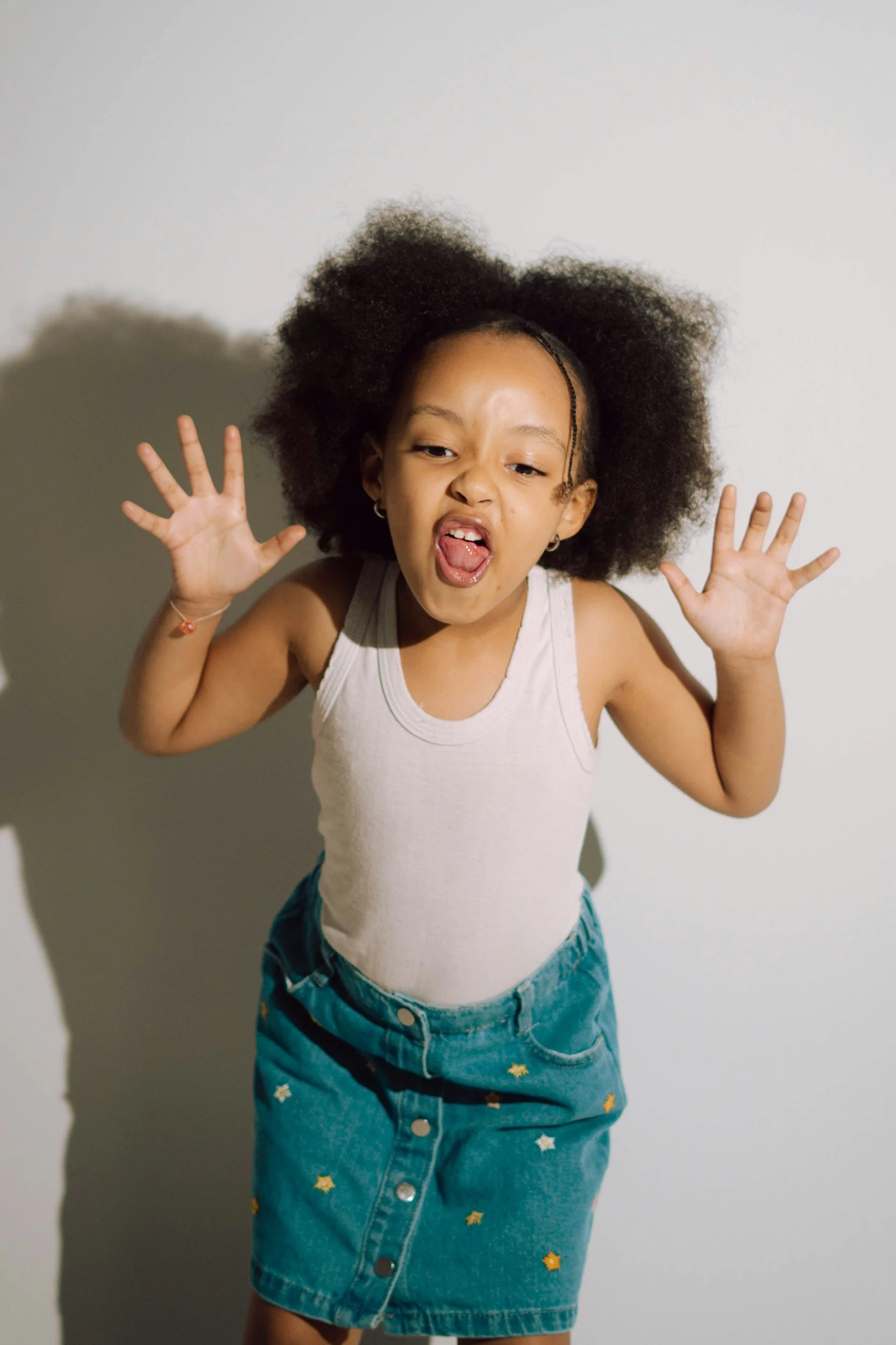
The mascot often uses:
humor
distraction
caretaking energy
or emotional lightness
to reduce family tension.
This role may develop as a way to:
avoid conflict
diffuse emotional intensity
or maintain connection within emotionally difficult environments.
As adults, mascots may struggle with:
emotional vulnerability
taking themselves seriously
suppressing pain
or feeling responsible for other people’s emotional comfort.
The Lost/Invisible Child
The lost child often becomes emotionally invisible within the family system.
They may learn to:
withdraw emotionally
avoid conflict
suppress needs
stay quiet
or emotionally disappear to maintain safety
As adults, many lost children struggle with:
emotional disconnection
loneliness
difficulty expressing needs
hyper-independence
and feeling unseen within relationships
The Parentified Child
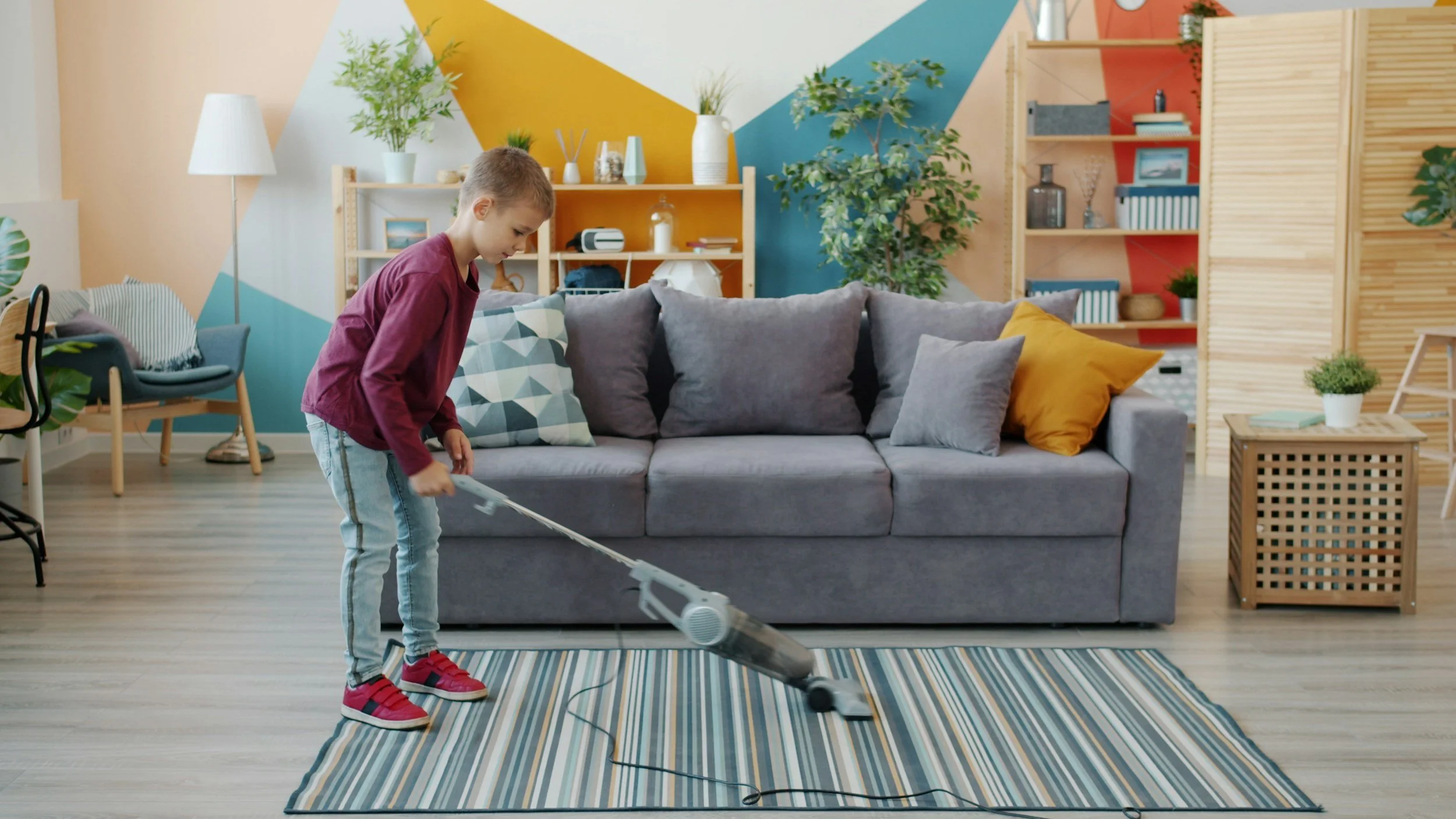
Some children become emotionally or practically parentified.
This may involve:
caring for siblings
managing a parent’s emotions
mediating family conflict
becoming emotionally “mature” too early
or feeling responsible for everyone else’s wellbeing
Many parentified children grow into adults who struggle with:
people-pleasing
hyper-independence
emotional exhaustion
guilt around boundaries
and difficulty receiving care themselves.
Why these roles continue into adulthood
Family roles often become deeply embedded nervous system and relational patterns.
Many adults continue unconsciously carrying these childhood roles into:
romantic relationships
friendships
work environments
parenting
and their relationship with themselves
This can affect:
emotional regulation
self-worth
conflict responses
emotional safety
and relationship choices.
Healing family trauma roles
Healing often involves:
increasing self-awareness
rebuilding self-trust
grieving unmet childhood needs
strengthening boundaries
reconnecting with identity outside of survival roles
learning emotional safety
and developing healthier relational patterns
Therapy can help people better understand:
attachment wounds
family trauma
parentification
trauma responses
people-pleasing
emotional invalidation
and the long-term impact of emotionally unsafe family systems.
Many people spend years believing their survival role is simply “who they are.”
The peacemaker.
The achiever.
The invisible one.
The caretaker.
The problem.
The child who learned not to need too much.
But these roles often develop within environments where emotional safety, consistency, validation, or protection felt limited or conditional.
Healing is not about blaming yourself for the ways you adapted.
It is about beginning to understand:
why these patterns developed
how they may still impact your relationships and nervous system today
and how to reconnect with yourself outside of survival roles that were never meant to define your worth.
You are allowed to build relationships that feel:
emotionally safe
consistent
respectful
and grounded in mutual care rather than survival.
Therapy can help. Reach out for support.